Water Damage Restoration Springtown, TX
Standing water, wet drywall and soaked floors in Springtown homes and businesses get extracted, measured and dried with trade equipment, then documented with photos and moisture readings for the insurance file.
Severe storms struck on April 25, 2026, and wet ceilings, roofs and floors are best dried early, before damp spreads.
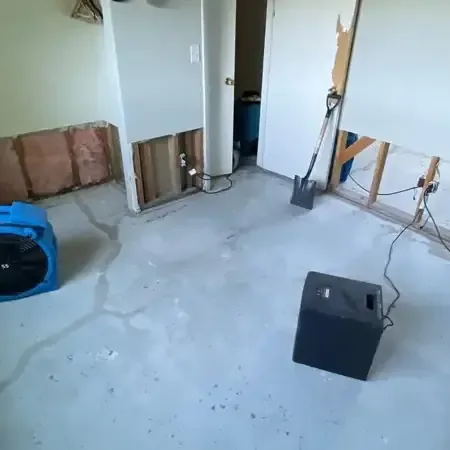
Twelve water services for Springtown properties
Each service below covers a different source of water, from a split pipe to a flooded ground floor, and each links to a full page with prices and steps.
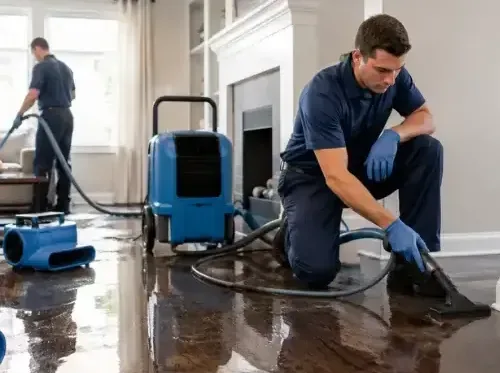
Water Extraction and Removal
Pumps and extraction wands pull standing water from carpet, pad and hard floors before it wicks into walls and cabinet bases.
View service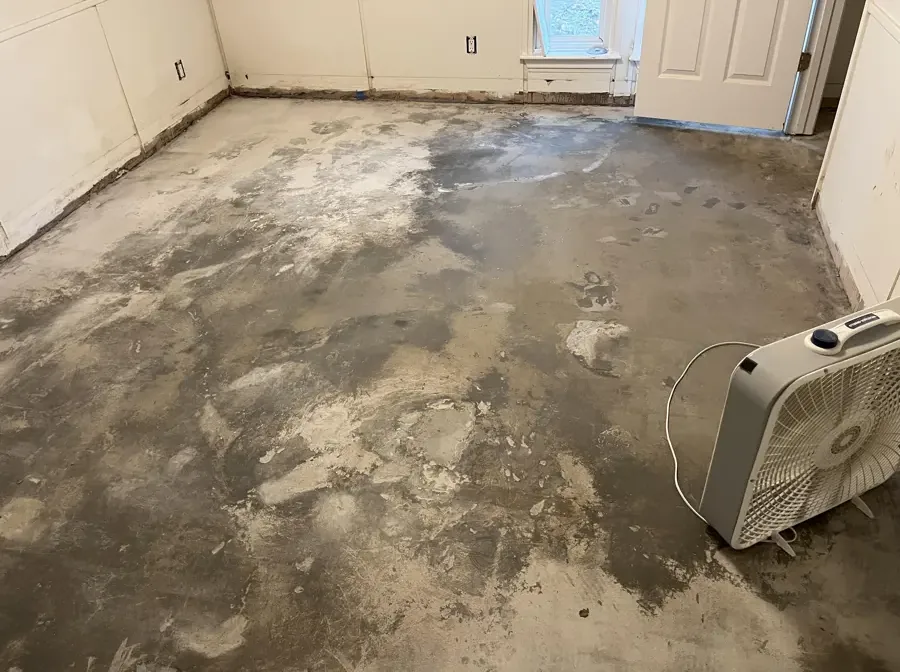
Slab Leak Water Damage
A leak in a pipe under the concrete shows as warm floor spots or a running meter, and the slab then needs drying.
View service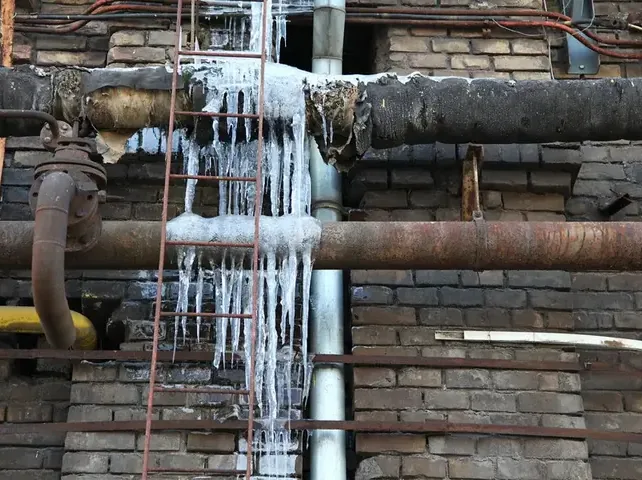
Frozen Pipe Water Damage
Split supply pipes after a hard North Texas freeze can wet ceilings, attic insulation and walls once the thaw starts.
View service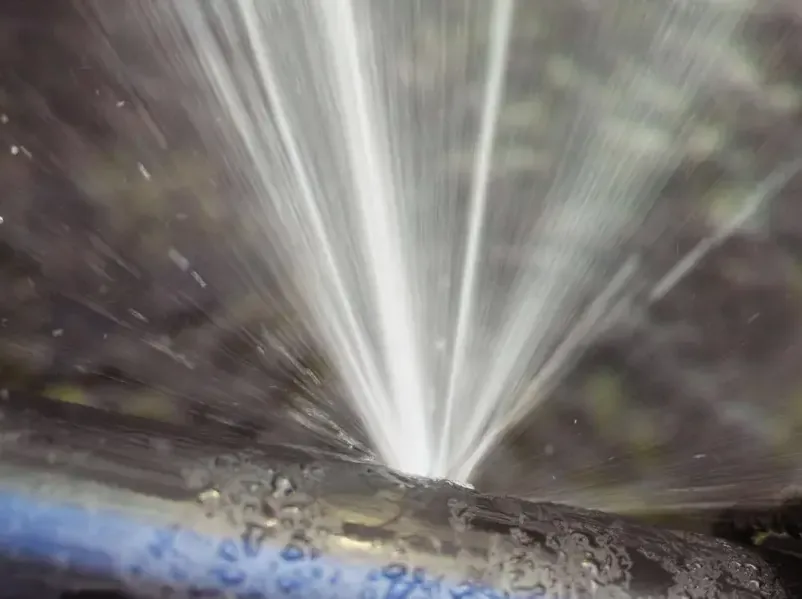
Burst Pipe Water Damage
A burst pipe can push gallons across a floor fast, so the shutoff, extraction and wall drying all come early.
View service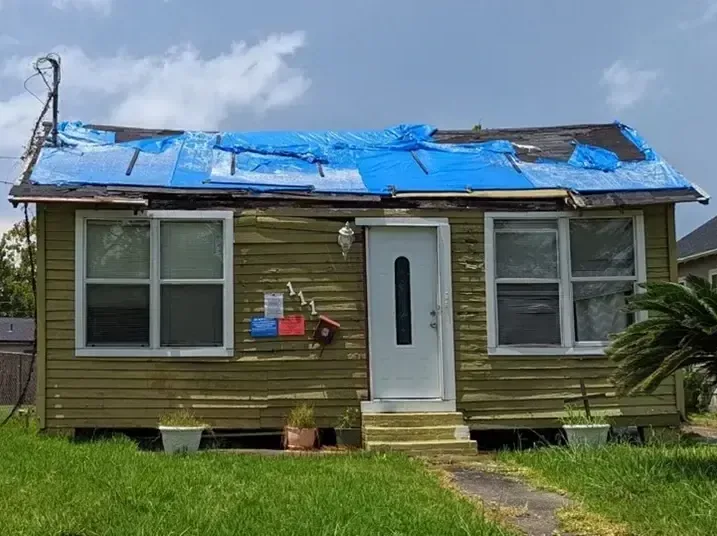
Storm and Flash Flood Cleanup
Wind driven rain and heavy rainfall can put water into garages and ground floor rooms that then need extraction and drying.
View service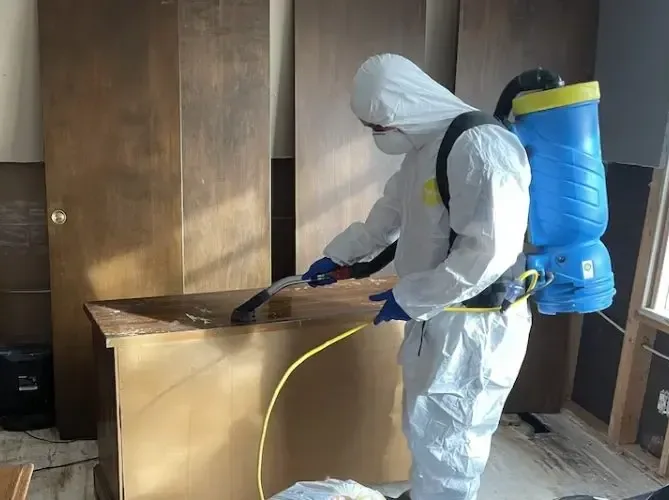
Sewage Backup Cleanup
Sewage in a bathroom or floor drain counts as contaminated water, so affected materials come out and surfaces are sanitized.
View service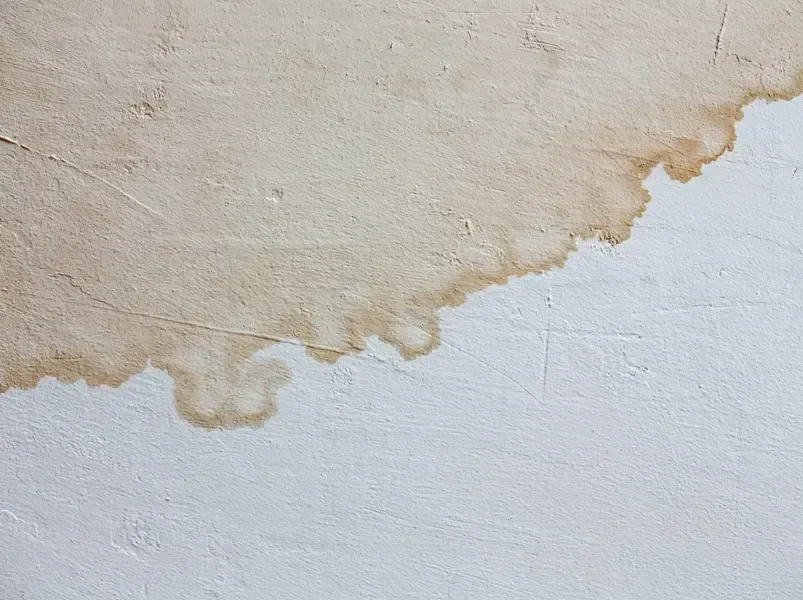
Roof Leak Water Damage
Missing shingles or a torn roof surface let rain into the attic, where wet insulation and stained ceilings need to be dried.
View service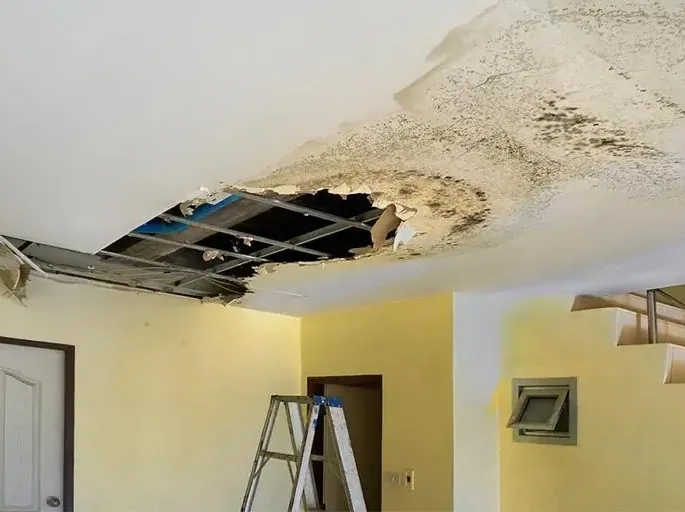
Ceiling Leak Water Damage
A stained, sagging or bulging ceiling holds water above it, so the pocket is opened to drain and the area dried.
View service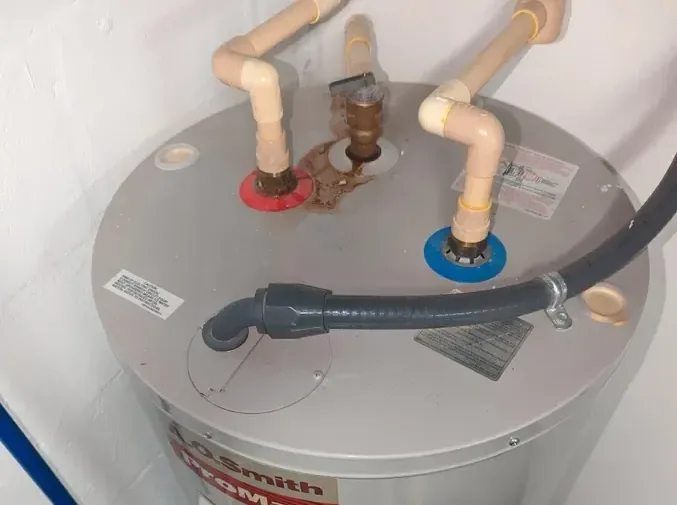
Water Heater Leak Cleanup
A leaking tank in a closet, garage or attic can soak flooring and shared walls, so the water is extracted and the space dried.
View service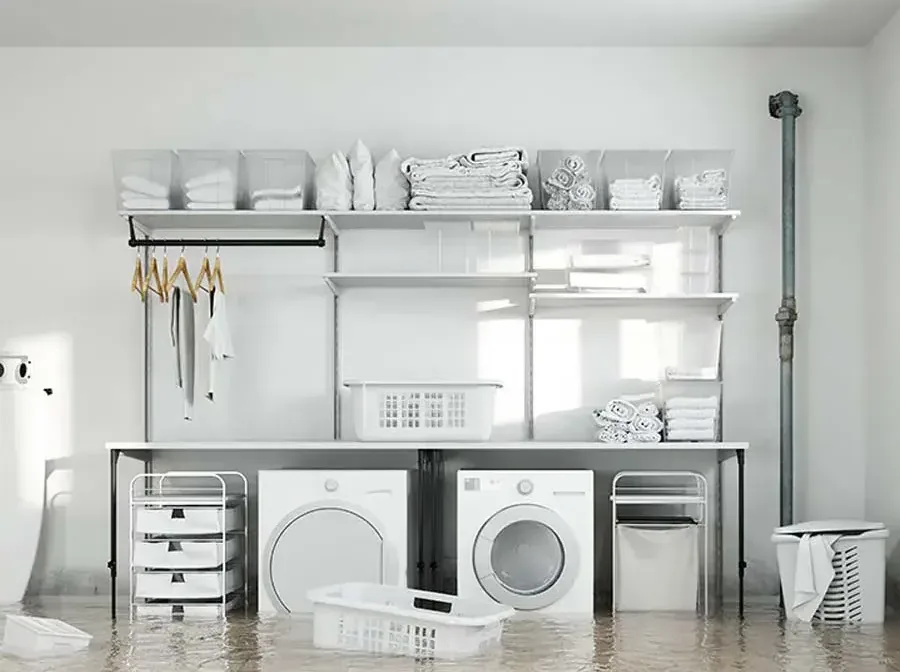
Appliance and Supply Hose Leaks
Washers, dishwashers and ice maker hoses often leak behind cabinets or under flooring, where the damage grows before anyone sees it.
View service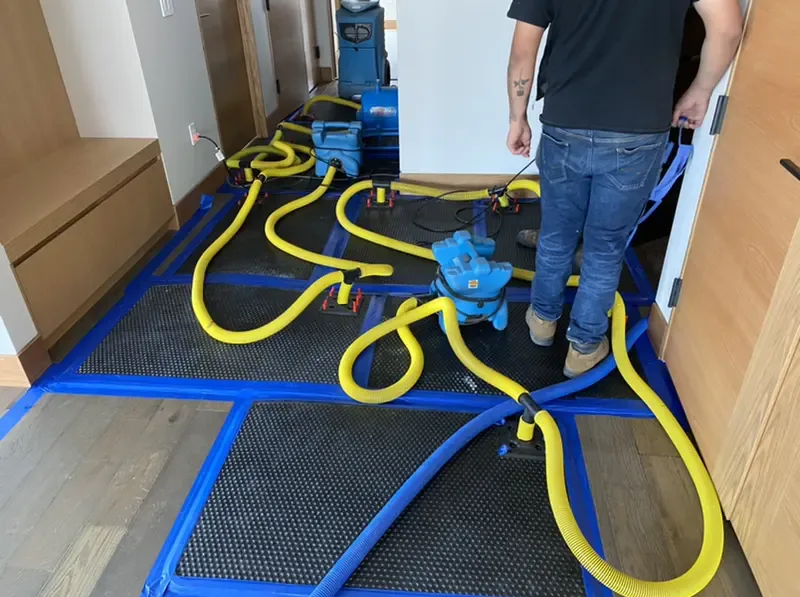
Structural Drying and Dehumidification
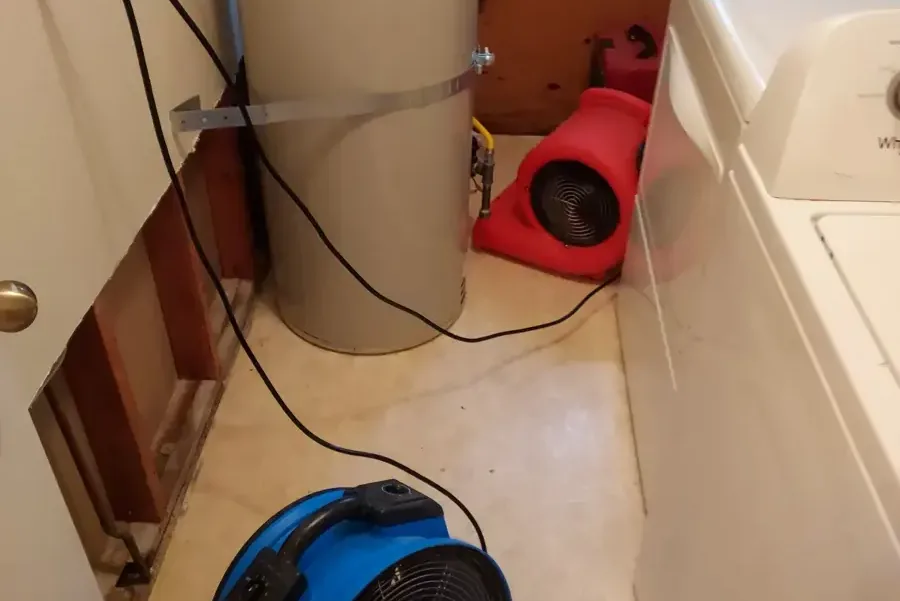
Drying mats, air movers and dehumidifiers pull moisture from subfloors, studs and drywall until readings return to a normal range.
View service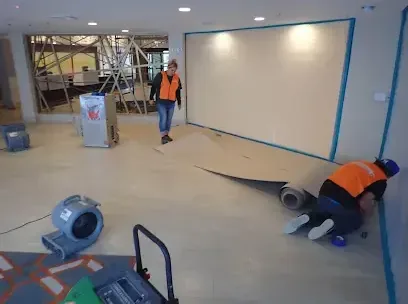
Commercial Water Damage
Shops, offices and storefronts near the town square and State Highway 199 get a dry out plan that limits closed days.
View serviceDry results backed by readings, not guesses
Springtown properties range from town square storefronts to rural manufactured homes, so crews size the equipment to each structure and record readings as they work.
Readings, not guesses
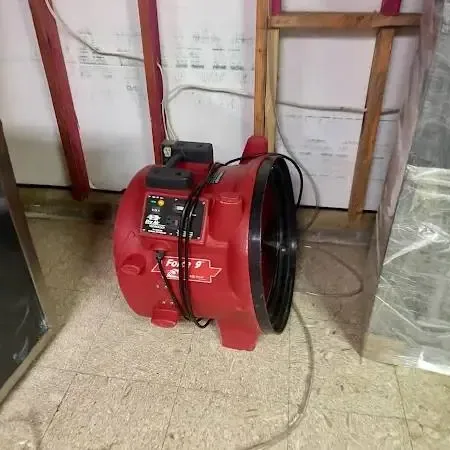
Moisture meters and thermal checks show which walls and floors are wet, and the same checks show when drying is finished.
Water only
The work covers water and sewage damage, with extraction, drying and cleanup handled as one job.
Photo records for claims
Photos, moisture logs and equipment notes are kept so an insurance adjuster can follow the work.
Ready any hour
Storms and burst pipes do not keep business hours, so nights, weekends and holidays are all fair times to call.
How a dry out is run
A dry out follows a set order on every job: control the source, extract, open what is hidden, dry with equipment and verify with readings before anything is rebuilt.
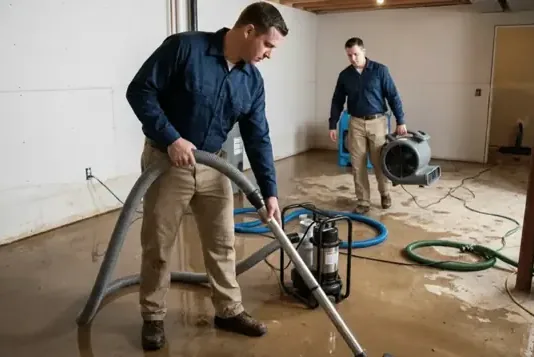
- Stop and extract. Standing water is removed first, using pumps and wands, since pooled water keeps pushing moisture into walls and subfloors.
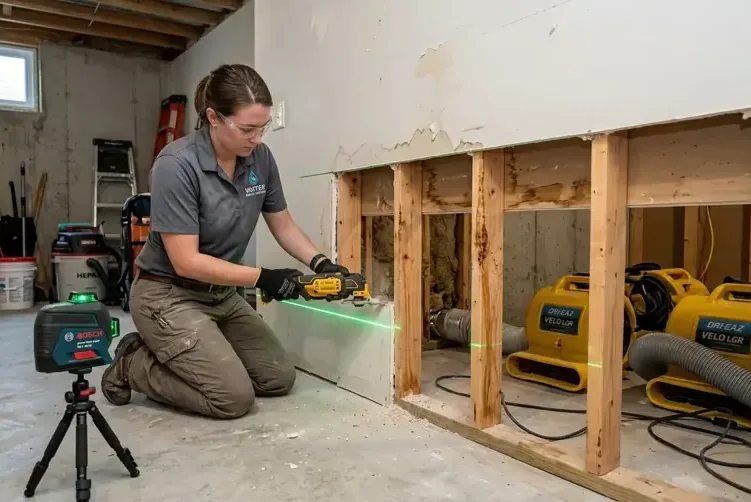
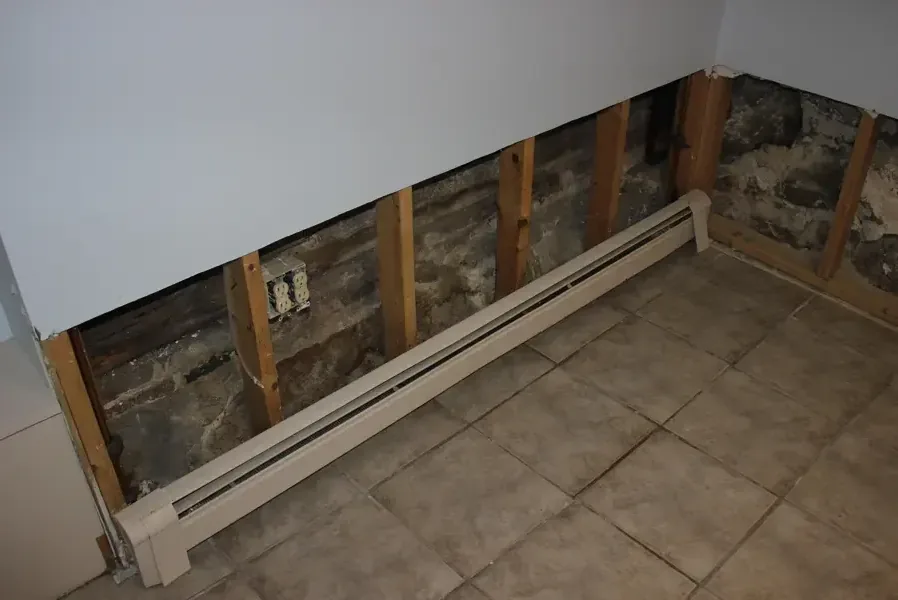
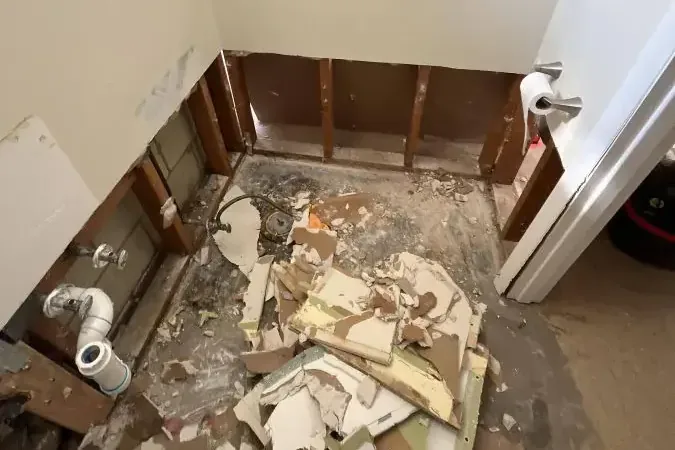
- Open and inspect. Wet drywall, pad and trim are cut or lifted where needed, and moisture meters map which materials are still holding water.
- Dry with equipment. Air movers and dehumidifiers run on a set layout, and readings are logged on each visit until targets are met.
- Confirm and record. Final readings and photos go into the job file so the insurer sees that the structure reached dry standards.
What water damage costs here
Most jobs fall between $1,200 and $12,000 depending on how much water there is, which materials are wet and how many days of drying the structure needs, and larger losses can pass $30,000.
One wet room
- Extraction of standing water
- Air movers and dehumidifier
- Daily moisture readings
Several rooms
- Wet drywall and pad removal
- Drying equipment for several days
- Cabinet and baseboard checks
Large or long running loss
- Subfloor and slab drying
- Contents handling
- Documentation for the insurer
Final prices depend on a walkthrough, and the scope can change once wet materials are opened and measured. Photos and moisture logs support the estimate sent to the insurer.
Open the cost calculatorEquipment and methods used on water losses

Documentation that supports a claim
Policies differ, and claim decisions belong to the insurer, but clear documentation of the loss helps an adjuster understand what was wet and what the dry out required.
- Dated photos of every wet room and damaged item
- Moisture readings recorded at each visit
- A written list of materials that were removed
- Notes on equipment placement and run time through the job
- Receipts for emergency repairs, tarps and temporary housing costs
What a homeowner can do
Report the loss to the insurance company early and ask what the policy requires for emergency mitigation, since many policies expect reasonable steps to limit further damage.
Keep damaged items until the adjuster has seen them or photos are accepted, and save every invoice from the restoration work.
What to do while water is still spreading
- Stay safe. Keep out of rooms with sagging ceilings, standing water near outlets or sewage, and shut off power to wet areas if the panel is dry and reachable.
- Stop the source. Close the main shutoff or the fixture valve, move a bucket or tarp under any active drip, and note what was running when it started.
- Photograph the damage. Take wide and close photos of wet walls, floors and belongings before anything is moved or thrown out, since adjusters often ask for them.
- Call a restoration crew. Describe what is wet and how long it has been wet, so extraction and drying equipment can be matched to the job.
- Lift items clear. Pull small rugs, books and wood furniture off wet floors, prop cabinet doors open for airflow and leave heavy items for the crew.
Coverage across the whole town
Crews cover the area around the town square, State Highway 199, JE Woody Road and the rural properties outside the center, including manufactured homes.
Homes on City of Springtown utilities and those on Walnut Creek Special Utility District water get the same service, and permit questions go to Springtown City Hall.
Springtown, TX · [email protected]
Check my service addressWhere water damage crews work in Springtown
Corridors and landmarks
Nearby towns

What drives water damage in Springtown
Severe weather stands out locally, and the April 2026 storm showed how wind damage and long power outages can leave homes open to rain and indoor water damage.
- Storm and roof damage. Parker County Emergency Services District 1 reported widespread damage west and south of town after the April 2026 storm, and any roof opening lets rain reach ceilings and insulation.
- Power outages. Downed trees and power lines left some areas without power for an extended time, and a house without power cannot run fans or pumps, so outside equipment does the drying.
- Heavy rainfall. The City posted a heavy rainfall and flooding potential notice dated September 30, 2026, a reminder to watch garages and ground floor rooms for water.
- Manufactured homes. Mobile and manufactured homes exist in the rural area around town, and floors, walls and underbellies there need drying methods suited to lighter construction.
- Everyday plumbing. Wet weather is not the only cause, since washer hoses, water heaters and supply pipes fail in any season and the damage often begins unseen.
April 25, 2026: Storms hit at night, and the National Weather Service in Fort Worth confirmed an EF-1 tornado with winds up to 105 mph.
Three kinds of water damage that come up most
Standing water
Flooded rooms after storms or broken pipes need pumps and extraction wands first, then drying equipment for the floors and walls beneath.
See water extractionHidden leaks
Washer hoses, dishwashers and supply pipes can leak behind cabinets for days, so damp baseboards and soft flooring are the usual clues.
See appliance leaksSewage backups
Contaminated water from a drain or toilet calls for protective gear, removal of porous materials and careful sanitizing.
See sewage cleanupSpringtown water damage questions
Need help with water now
A crew can talk through what is wet, what must be shut off and which equipment the job needs before any work starts.
(888) 527-9134 Talk to a crew nowHow fast does water damage spread in a house?
Water wicks into drywall, baseboards and subfloors soon after it spreads, so removal and drying work should start early, because slow action raises both the repair scope and the final cost.
Does a storm leak count as water damage?
Yes, rain that enters through a damaged roof, window or wall is water damage, and ceilings, insulation and floors below the opening usually need drying after the opening is covered.
Which office handles permits for rebuild repairs?
Permit applications and inspection requests go through Springtown City Hall, which uses a third party firm, Bureau Veritas, for plan review and inspections, and permitted work should not begin until the City approves and issues the permit.
Does sewage damage need special cleanup?
Yes, sewage carries bacteria, so porous materials such as carpet and pad usually come out, hard surfaces are cleaned and sanitized, and the area is dried before rebuilding starts.
Who provides water and sewer service in town?
The City of Springtown provides water, wastewater and sanitation, and some residents inside the city limits get water from Walnut Creek Special Utility District but still need a City account for sewer and trash.
Do mobile homes need different drying?
Lighter wall and floor construction in mobile and manufactured homes holds moisture differently, so drying plans use careful airflow and moisture readings, and the underside is checked as well.
Should wet carpet be saved or removed?
Clean water caught early may allow carpet to be dried in place, but pad often comes out, and carpet touched by sewage or soaked for days is normally removed.
How much does water damage restoration cost?
Typical jobs run from $1,200 to $4,000 for one room up to $12,000 to $30,000+ for large or long running losses, with the scope set after moisture is measured.
What should be photographed before cleanup?
Photograph wet walls, ceilings, floors, damaged belongings, the failed pipe or appliance and any standing water before anything is moved, since insurers often want to see the original condition.
When can mold become a concern after water damage?
Mold can begin growing within 24 to 48 hours on damp materials, which is why wet drywall, carpet pad and framing are dried or removed promptly, and moisture readings confirm when the structure is safe to close up.
Water is spreading, so make the call now
Describe what is wet, and the crew will explain the extraction and drying steps that fit the job.
(888) 527-9134Call for emergency water help