Water Damage Restoration Lake Worth, TX
Water damage restoration for Lake Worth homes and rentals, from burst pipes and slab leaks to storm water and sewage backups, with extraction, drying and clear next steps for the owner.
Insurance claim paperwork, moisture readings and photo records come with every job, so the adjuster sees the whole loss.
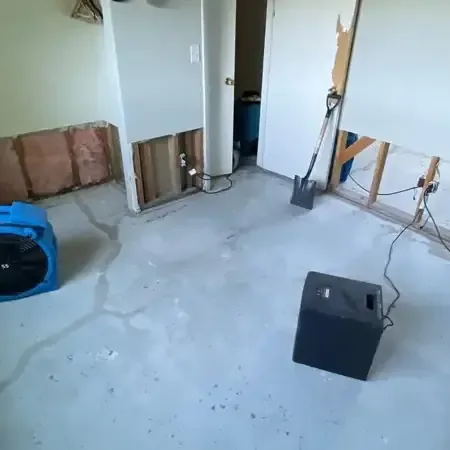
Every kind of water loss, one crew
Twelve service pages cover the leaks, floods and failures that soak a home or business in town, each with its own steps, price ranges and answers.
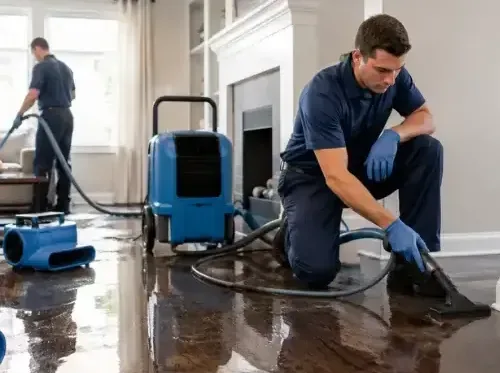
Water Extraction and Removal
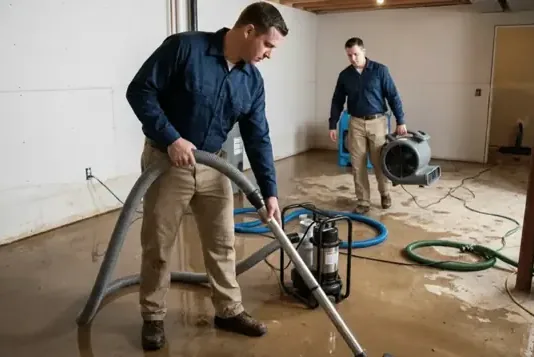
Standing water comes out with pumps and extraction wands, then wet carpet, pad and baseboards are checked with moisture meters before drying starts.
View service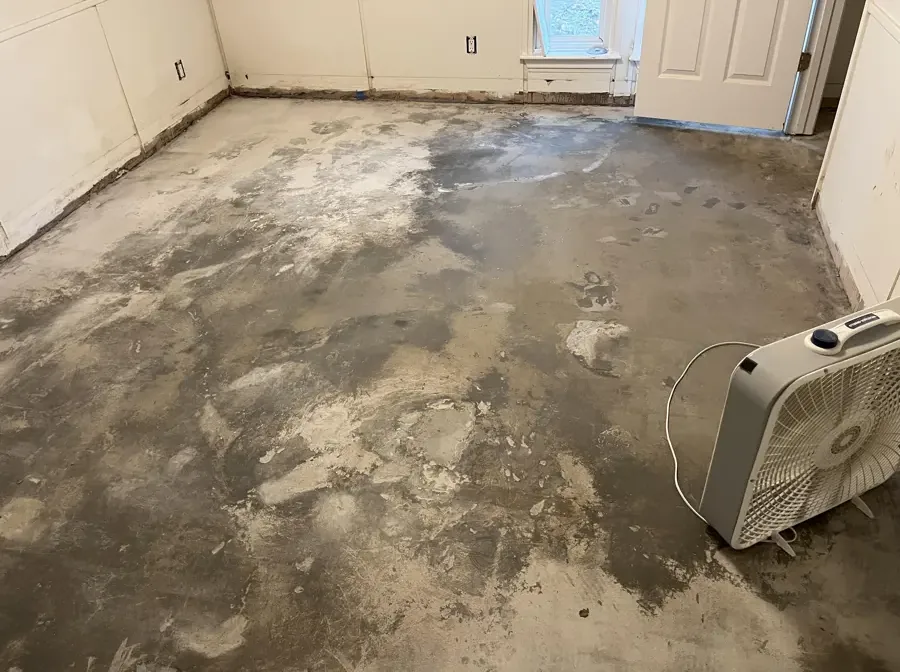
Slab Leak Water Damage
Water leaking under a concrete floor is traced, the wet flooring comes up, and the slab and rooms around it are dried.
View service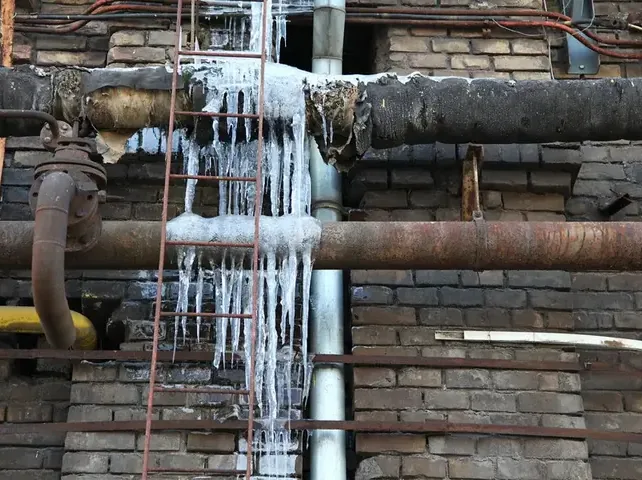
Frozen Pipe Water Damage
Pipes split by a hard North Texas freeze are shut off, the soaked walls and ceilings are opened, and the structure is dried.
View service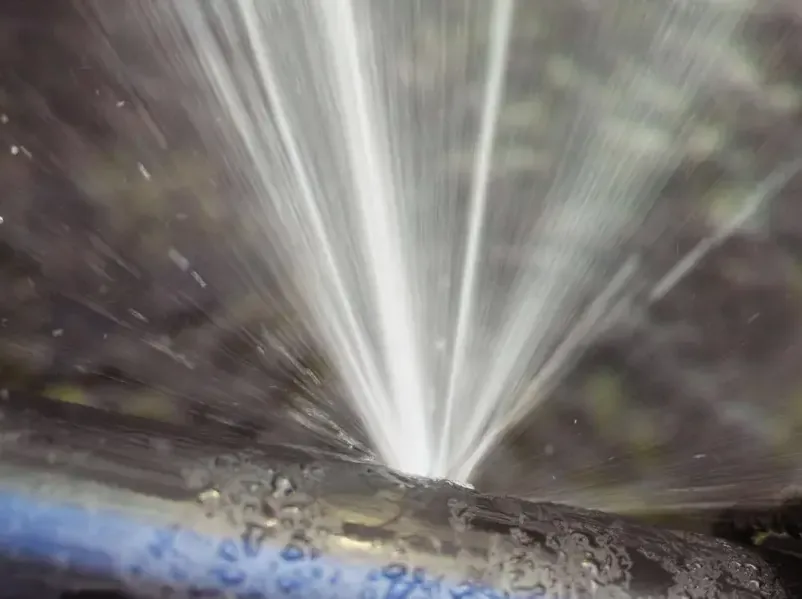
Burst Pipe Water Damage
A burst supply pipe can flood several rooms fast, so water is extracted and walls dried while the plumber handles the repair.
View service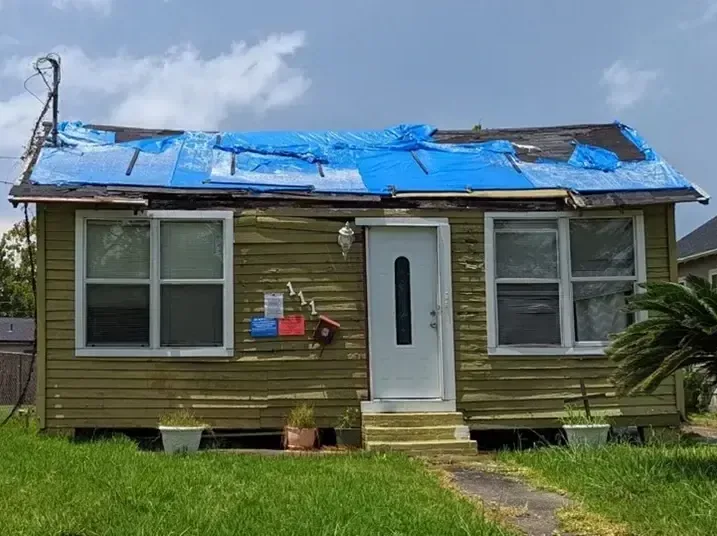
Storm and Flash Flood Cleanup
Storm runoff and wind driven rain are pumped out, soaked floors are stripped, and the home is dried and sanitized.
View service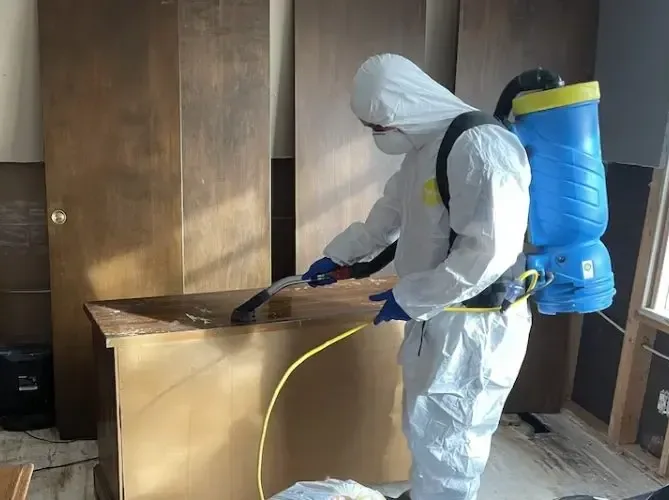
Sewage Backup Cleanup
Sewage backups are removed in protective gear, affected surfaces are cleaned and sanitized, and porous materials that soaked it up are discarded.
View service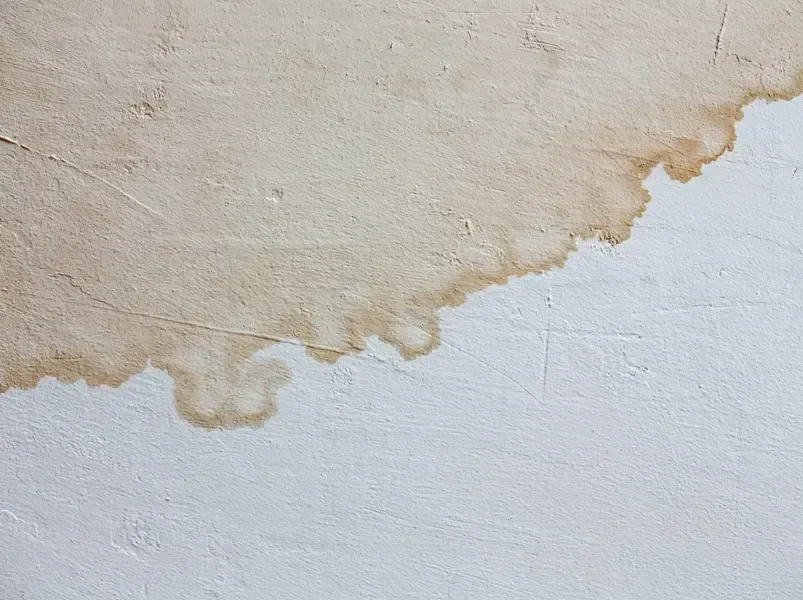
Roof Leak Water Damage
Rain that gets through roofing wets insulation, drywall and framing, so each soaked layer is dried or cut out.
View service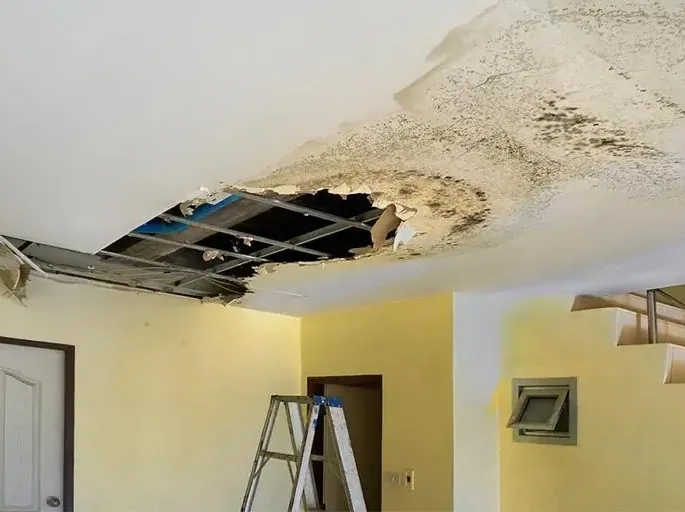
Ceiling Leak Water Damage
A stained or sagging ceiling is traced back to its source, then the wet drywall and insulation are opened and dried.
View service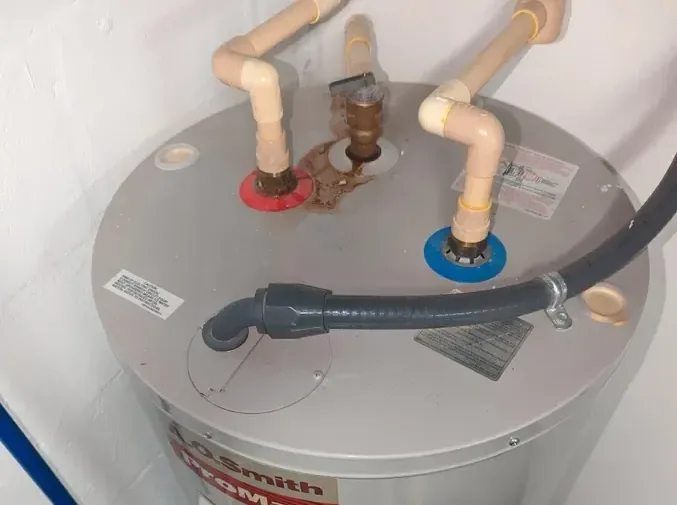
Water Heater Leak Cleanup
A leaking tank soaks the closet, garage or attic around it, so water is pulled out and nearby walls and floors are dried.
View service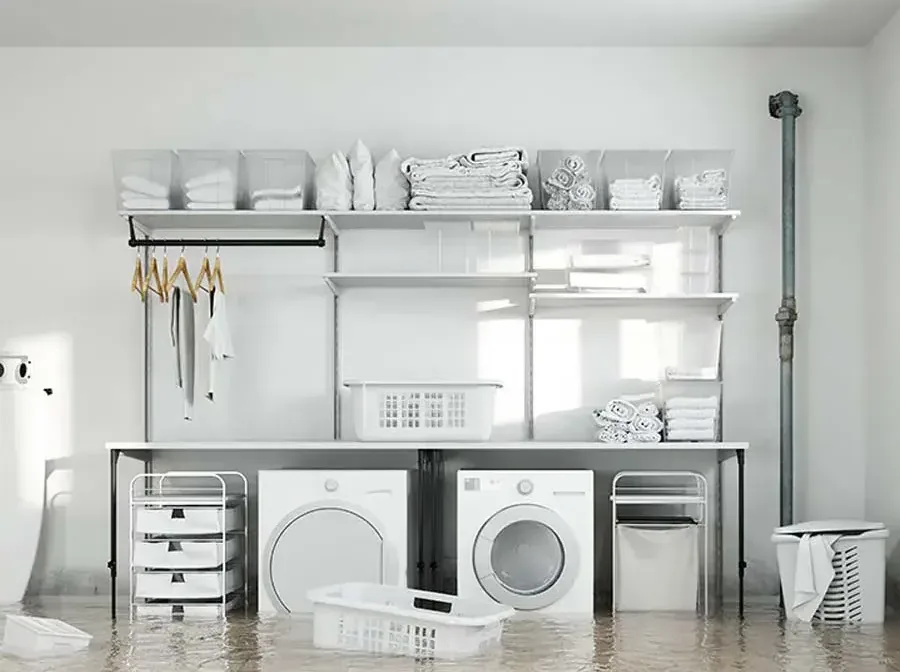
Appliance and Supply Hose Leaks
Washer hoses, dishwasher fittings and refrigerator supply tubes can leak for days, so cabinets, subfloor and walls get checked and dried.
View service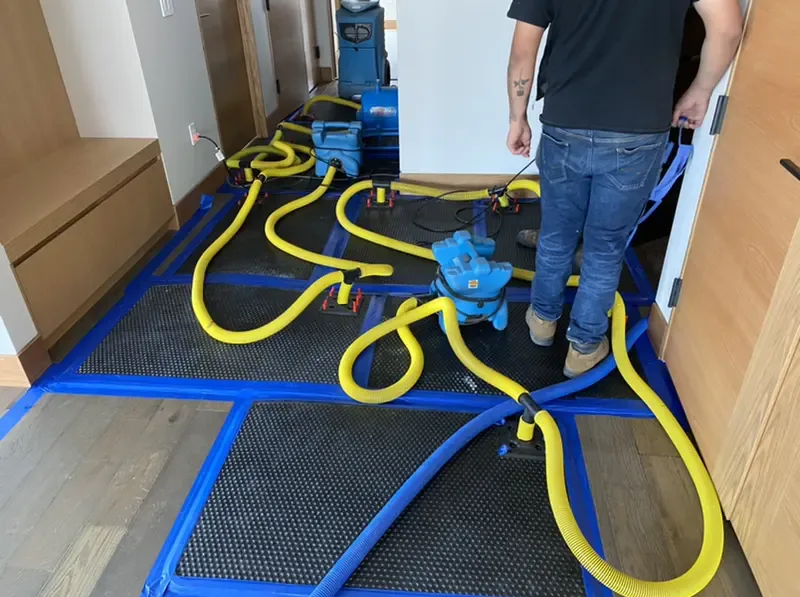
Structural Drying and Dehumidification
Air movers, dehumidifiers and moisture readings dry wet framing and subfloor until the readings return to normal.
View service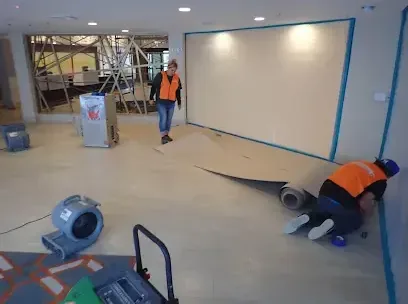
Commercial Water Damage
Shops, offices and other businesses get extraction and drying planned around the space so the doors can open again sooner.
View serviceA restoration crew that documents the work
Every job is measured, photographed and written up in plain language, so owners and adjusters can follow what was removed, what was dried and why.

Moisture mapped
Meters and thermal readings show where water went inside walls and floors, so drying covers the hidden spots as well as the wet carpet.
Daily drying checks
Readings are logged at each visit, and equipment stays until the framing and subfloor reach dry targets, not just until they feel dry.
Clear paperwork
Photo logs, moisture records and itemized scopes are ready for the insurance company.
Water and sewage only
The work stays focused on water and sewage damage, so the crew, equipment and methods fit the loss at hand.
How a water damage job runs
Each job follows the same order whatever the cause: find the water, remove it, open what is wet, dry the structure and confirm the readings before anything is rebuilt.
- Inspect. Moisture meters and thermal readings map the wet areas, the source and the category of water before any equipment is set.
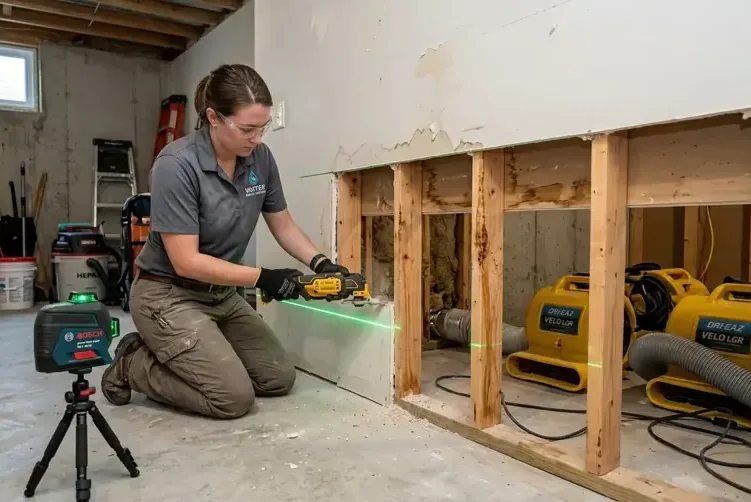
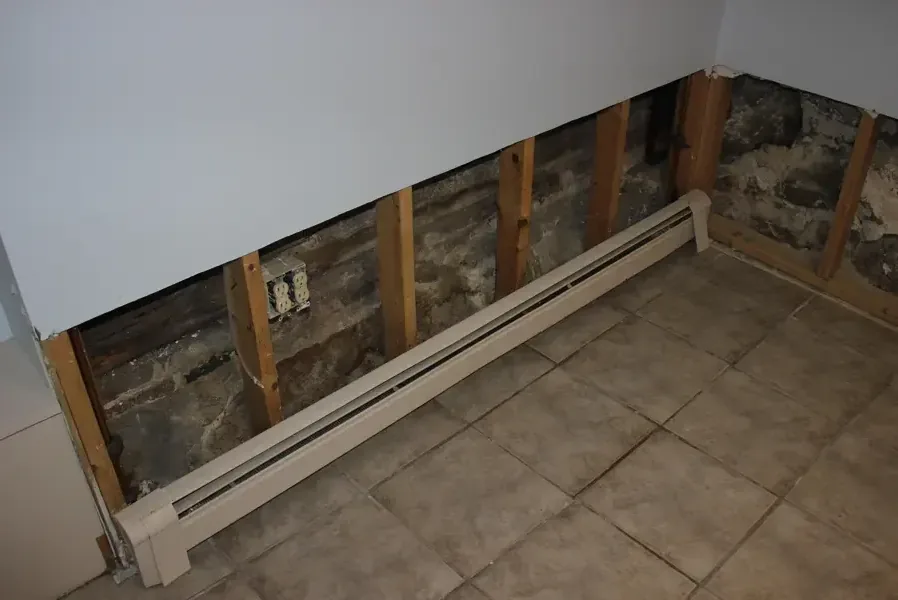
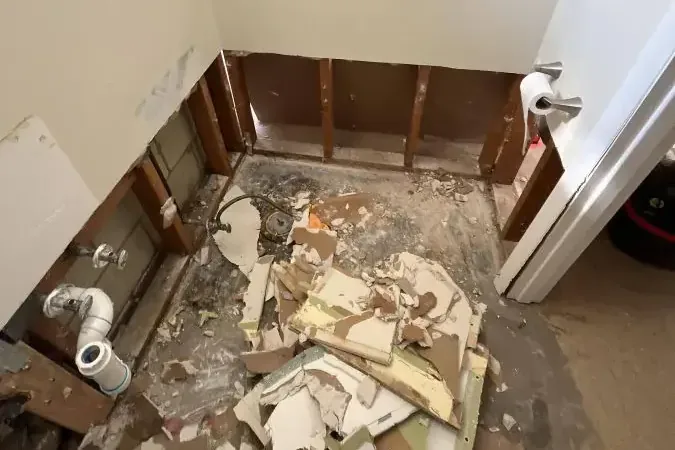
- Remove water and wet material. Pumps and extraction tools pull standing water, and soaked carpet pad, insulation or drywall that cannot dry in place is cut out.
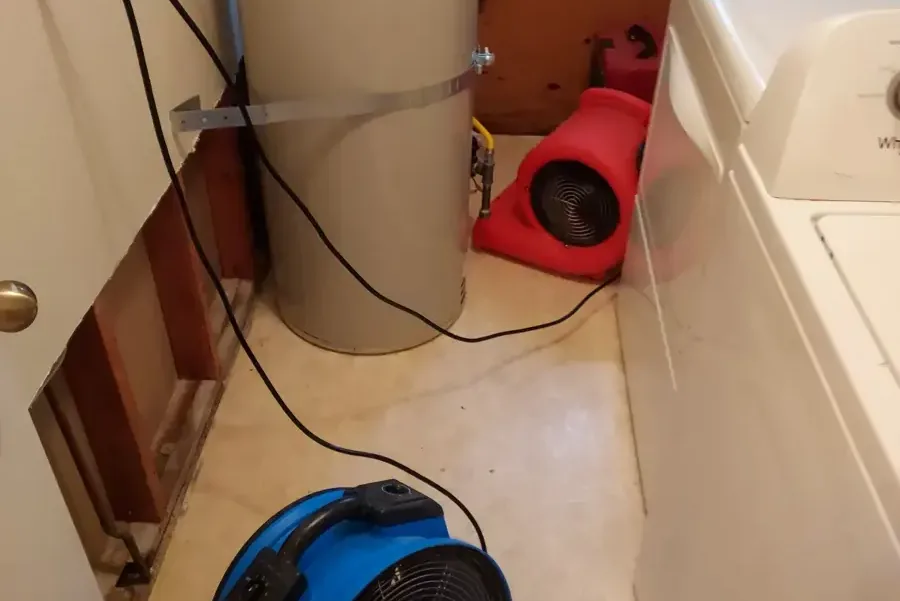
- Dry the structure. Air movers and dehumidifiers run while readings are logged at each visit and equipment is adjusted to the room.
- Confirm and hand over. Final readings are compared with dry targets, and the photo and moisture records go to the owner for the claim.
What water damage restoration usually costs here
Water damage restoration usually runs from $1,200 to $30,000+, depending on how many rooms are wet, how long the water sat and whether sewage or soaked flooring is involved, and the final number comes after an inspection.
Small and caught early
- One room or a small area
- Extraction and fan drying
- Limited removal of wet material
Several rooms or walls
- Walls and flooring opened
- Several days of equipment
- Contents moved or stored
Large or contaminated
- Sewage or storm water
- Floors and drywall replaced
- Longer drying and rebuild
Ranges here are planning figures, not quotes. Final pricing follows an on site inspection, since hidden moisture, water category and building materials change the scope. Insurance coverage varies by policy and cause of loss.
Open the cost calculatorDrying and cleanup work on water damaged homes

Working with your insurance claim
Many policies respond to sudden water losses, such as a burst pipe or appliance failure, so good documentation matters from the first visit. Coverage depends on the policy.
- Photos and video of every wet room and damaged item
- The date and time the water was first noticed
- Moisture readings and equipment logs from each visit
- Receipts for the plumber or other emergency repairs
- A list of damaged belongings with rough values
What owners can handle first
Shutting off the water, moving small items and taking photos are safe first moves, and they protect both the home and the claim.
Leave wet drywall, flooring and sewage cleanup to the crew, since guessing at what is dry often leaves moisture trapped behind walls and under floors.
What to do right after water shows up
- Stop the source. Shut the main valve or the appliance valve if it is safe, and switch off power to wet areas before anyone steps into standing water.
- Call a restoration crew. Standing water keeps spreading into drywall, baseboards and subfloor, so a call right away limits how much has to be torn out.
- Photograph everything. Take photos and video of the damage, the source and damaged belongings before anything is moved, for the insurance claim.
- Move small items. Lift rugs, electronics, books and boxes off wet floors and wipe furniture legs dry so stains and swelling do not set in.
- Keep out of sewage water. Stay out of any water that came from a drain or toilet, and keep children and pets away until the crew arrives.
Water damage near the lake and the highway
The service area covers the city along State Highway 199 in northwestern Tarrant County, including Indian Oaks and the streets near the lake.
Homes, rentals and small businesses in both ZIP codes can reach the crew by phone any hour, and nearby towns are covered too.
Lake Worth, TX · [email protected]
Reach the crew about water damageWater damage service across Lake Worth
Places the crew works
Nearby service pages

Water risks beside the lake
Lake Worth sits beside a pass through reservoir on the West Fork of the Trinity River, so heavy rain upstream and in town both matter for local homes.
- Pass through reservoir. The City of Fort Worth owns and operates the lake, which was not designed to store floodwater and works as a pass through reservoir.
- Basin flood history. The Trinity River basin has recorded major floods in 1990, 1991 and 2015, and the upper basin averages 35 to 40 inches of rain a year.
- Burst pipes. A split supply pipe can flood a room fast, and plumbing permits go only to contractors registered with the city, so the repair and the drying are usually separate jobs.
- Sewer backups. The city created its Sewer Department in 1959, and a backup that reaches the floor of a home still needs cleaning and sanitizing.
- Appliance leaks. Washers, dishwashers and refrigerators in homes and rentals across the 1,814 housing units can leak out of sight, and slow leaks soak subfloors for days.
October 1914: Lake Worth Dam was completed in October 1914 and the lake filled for Fort Worth municipal water supply.
Where local water damage usually starts
Pipe failures
Split supply pipes and failed fittings can flood several rooms quickly, and the water keeps traveling inside walls long after the valve is shut.
Burst pipe cleanupStorm and rain water
Heavy North Texas rain can push water through roofing, doors and low spots, soaking floors and attics in a single storm.
Storm cleanup detailsDrain and sewage backups
A backed up drain or toilet sends contaminated water across the floor, which calls for sanitizing, not just drying.
Sewage cleanup detailsCommon water damage questions
Still have a question?
Call any hour to talk through the damage, the water source and the next step, and a crew member can explain what the job would involve.
(888) 527-9134 Talk to the crew nowHow fast does water damage spread?
Water moves into drywall, baseboards and subfloor soon after a leak starts, which is why extraction and drying should begin as early as possible, before swelling, staining and odors set in, and moisture meters show how far it has gone.
What does water damage restoration involve?
The crew finds the source, removes standing water, cuts out materials that cannot dry, sets air movers and dehumidifiers, and logs moisture readings until the structure reaches dry targets.
Do plumbing repairs need a permit?
Plumbing permit applications are available from the City of Lake Worth, and contractors must be registered with the city and in good standing before a permit is issued. The drying work is separate from the plumbing repair.
Can wet carpet and drywall be saved?
Often yes when the water is clean and the drying starts early, since carpet, pad and drywall can sometimes dry in place, but sewage soaked materials are discarded. Moisture meters decide what stays.
What should be done after a sewage backup?
Stay out of the water, keep children and pets away, and call for cleanup, because sewage needs protective gear, sanitizing and removal of porous materials it touched.
Does insurance cover water damage?
Many policies cover sudden losses such as a burst pipe, but slow leaks and neglected maintenance are often excluded, so the claim depends on the policy and the cause. Photos help.
How long does drying take?
Drying usually takes several days, depending on materials, humidity and how widely the water spread, and equipment stays until moisture readings reach dry targets. Thicker materials such as hardwood and slab take longer.
Why is storm water treated differently?
Storm and flood water carries dirt and bacteria from outside, so affected materials are cleaned and sanitized, and porous items are often removed instead of dried.
Is mold a risk after a leak?
Mold can start within 24 to 48 hours on damp materials, which is why wet areas are opened and dried quickly after any leak. Quick drying is the best protection.
Who should be called first?
Call a plumber or shut the valve to stop the source, then call the restoration crew for extraction and drying so the water does not keep spreading. Calling the crew early also helps document the loss.
Water damage in Lake Worth? Call the crew now
Stop the water if it is safe, then call for extraction and drying before the damage spreads further.
(888) 527-9134Start the dry down