Storm and Flash Flood Cleanup in Lake Worth, TX
After heavy North Texas rain pushes water into a home, the cleanup covers pumping out the water, stripping soaked flooring, sanitizing surfaces touched by outside water, and drying the structure with measured readings.
(888) 527-9134Get the storm water out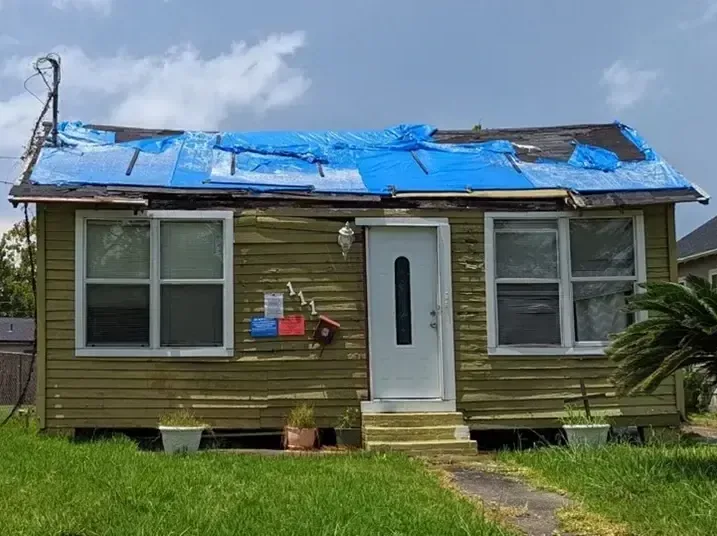
What a proper job looks like for storm and flash flood cleanup
Dispatch at any hour
Active water is treated as urgent around the clock, nights, weekends and holidays included, because every hour adds wet material.
IICRC S500 drying
Truck-mounted extraction, air movers and LGR dehumidifiers sized to the class of loss, not a shop vac and a box fan.
A claim file from day one
Moisture maps, daily psychrometric logs and timestamped photos taken before any drywall or flooring comes out.
North Texas water know-how
Slab leaks, freeze splits in attic and exterior-wall lines, creek runoff and sewer backups lead the list in this part of the county.
First steps for storm and flash flood cleanup in Lake Worth
- Stay safe first. Stay out of standing water near outlets, and shut off power to wet areas.
- Pump out the water. Pumps and wands clear rooms, garages and low spots.
- Strip soaked materials. Wet carpet, pad, insulation and low drywall are removed and bagged.
- Sanitize and dry. Surfaces are cleaned and sanitized, then air movers and dehumidifiers run until dry.
What does storm and flash flood cleanup cost in Lake Worth, TX?
Storm and flash flood cleanup usually runs from $3,000 to $40,000+, depending on how much of the ground floor is wet, how deep the water was, and whether sanitizing and removal of flooring are needed.
Garage or one room
- Water pumped out
- Sanitizing applied
- Fans set
Several rooms
- Flooring and pad removed
- Low drywall cut
- Dehumidifiers running
Whole ground floor
- Floors stripped
- Wide drywall removal
- Extended drying
Ranges are typical, not a quote: the water category, square footage, material class and how fast drying started move the number most.
Run the numbers in the cost calculatorHow storm and flash flood cleanup is handled, start to finish
Safety check
Hazards are checked first.
Pump out
Pumps clear every wet room.
Tear out
Porous materials soaked by outside water come out.
Dry and sanitize
Surfaces are sanitized and the structure is dried.
The Trinity River basin has recorded major floods in 1990, 1991 and 2015, and the lake at Lake Worth is a pass through reservoir that was not designed to store floodwater. Heavy rain upstream and in town both matter for local homes.
What storm water leaves behind
Water from outside carries soil, bacteria and debris. Anything porous that it touched, such as carpet, pad, insulation and low drywall, usually has to be removed instead of dried, and hard surfaces are cleaned and sanitized. Speed matters because wet drywall wicks water upward.
- Garages and entry rooms
- Carpet, pad and low drywall
- Roof and attic water from wind driven rain
Roof, attic and ground water
Storm damage comes from two directions. Rain can push through roofing and soak the attic and ceilings, while ground water can enter at doors and low spots and spread across floors. Each path leaves a different pattern, and both are mapped with moisture meters before drying starts.
Water came in with the storm? Describe the rooms and get the cleanup steps explained.
Plan the storm cleanupDrying and next steps
After extraction and removal, air movers and dehumidifiers dry the structure while readings are logged. A roof leak that let the rain in needs repair too, and the roof leak cleanup page covers the attic and ceiling side. Photos of the loss should be taken before anything is moved.
Storm and flash flood cleanup across Lake Worth and nearby towns
Storm cleanup covers Lake Worth homes in ZIP codes 76135 and 76136, including Indian Oaks and the streets near the lake and State Highway 199. Each visit starts with how the water actually entered, since roof water and ground water leave different patterns.
The same service nearby: storm and flash flood cleanup in Azle, River Oaks, White Settlement.
Water damage restoration in Lake Worth › · every town covered ›
Related water damage services in Lake Worth
Storm and Flash Flood Cleanup questions, answered
Still dealing with it?
Water came in with the storm? Describe the rooms and get the cleanup steps explained.
(888) 527-9134 Plan the storm cleanupIs storm water considered contaminated?
Yes, usually. Water that comes in from outside carries soil and bacteria, so porous materials it touched are normally removed and hard surfaces are cleaned and sanitized.
Why does the lake matter for local flooding?
The lake sits on the West Fork of the Trinity River and is a pass through reservoir that was not designed to store floodwater.
How much rain does the area get?
The upper Trinity River basin averages 35 to 40 inches of rain a year, and a single heavy storm can still put water into low spots, garages and entry rooms.
Does insurance cover flood water?
Standard homeowner policies often treat rising ground water differently from rain that comes through a roof, so the cause of the loss matters. Photos and moisture records support whichever claim applies.
Can soaked belongings be kept?
Hard items can usually be cleaned and sanitized, but porous items such as carpet, pad, mattresses and upholstered furniture that sat in outside water are often discarded.
Storm water in Lake Worth needs to be cleared
Outside water carries soil and bacteria, so the sooner it is pumped out and the floors are stripped, the less spreads.
(888) 527-9134Clear the storm water