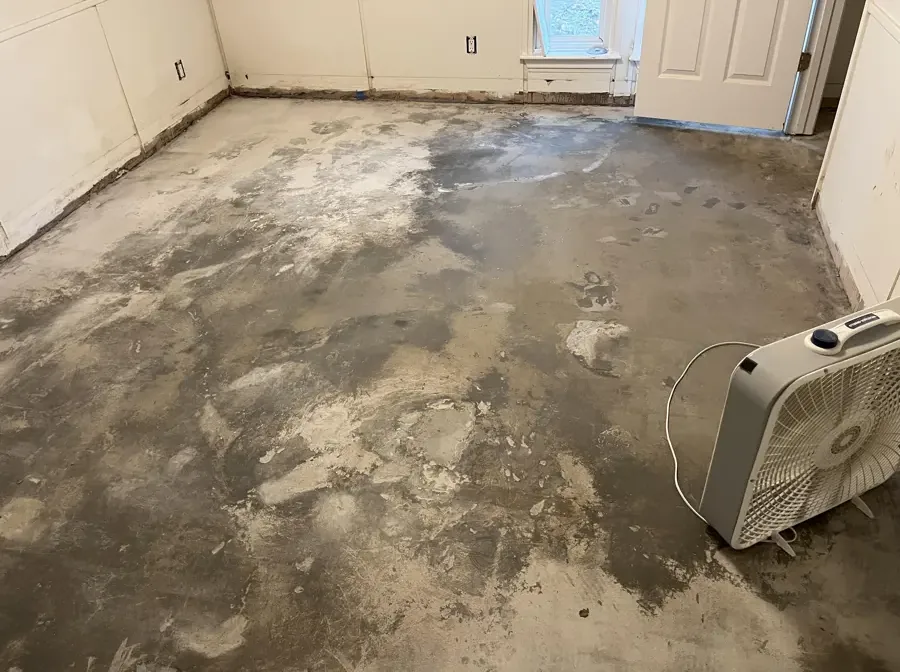
A pipe leaking under a floor can run for weeks before anyone sees it. In River Oaks, where most of the growth came between the 1940s and 1960, much of the housing dates to the mid 1900s, so older plumbing is part of the picture. The signs below help catch a hidden leak early, and the moisture readings that confirm where the water is coming from.
Key takeaways
- A warm spot on the floor, a meter that keeps moving and a damp baseboard are the classic signs of a hidden leak.
- A musty smell without a visible source often comes from water trapped under flooring.
- Moisture readings and a thermal camera find the leak without tearing out the whole floor.
- Older homes need more careful checks, since leaks can be slow and well hidden.
- The sooner the area is opened and dried, the smaller the repair.
Why older homes hide leaks well
River Oaks grew quickly after the federal government began building a bomber plant and landing field in 1941, which became Carswell Air Force Base. Most of the growth came between the 1940s and 1960, so much of the housing dates to the mid 1900s.
Homes of that era have had decades of use, and pipes that are out of sight can fail slowly. A small drip under a floor may not show above it for a long time.
If the house has had earlier repairs, ask the plumber to look at those joints first. Patched areas are often where later trouble starts.
Simple tests a homeowner can run
Before calling anyone, a homeowner can learn a good deal in ten minutes. These tests need no tools and do not harm anything.
They also give the crew and the plumber a head start, because the answers narrow down where the water is going.
Notes on what was seen, and when, are useful to the plumber and the adjuster. A short list on a phone is enough.
- Turn off every tap and appliance, then watch the water meter dial for movement.
- Walk barefoot across the floor and note any warm or cool patches.
- Press on baseboards and the bottom of walls to feel for soft or swollen spots.
- Listen near the water heater and along walls for a faint hiss at night.
- Look for new cracks in tile grout or flooring seams.
Signs a leak is hiding under the floor
No single sign proves a leak, but several together are a strong clue. A homeowner can watch for these without any tools.
Two or three of these together deserve a closer look. One alone may have a harmless explanation, such as a change in the weather or a house guest who used more water than usual.
- A warm area on the floor that does not match the sun or the heater.
- A water meter that keeps moving when every fixture is off.
- Damp baseboards or paint that peels near the floor.
- A musty smell that comes back after cleaning.
- A higher water bill with no change in how the household uses water.
How the source is found
A moisture meter reads how wet a floor or wall is, and a thermal camera shows temperature differences that suggest water. Together they point to the area where the leak sits.
That lets the crew open a small section rather than a whole room.
Neither tool replaces a plumber, but they save time and keep the damage to the floor smaller.
Checking the meter
With every tap and appliance off, a moving meter dial means water is escaping somewhere. This simple test tells whether the leak is on the house side of the meter.
Write down the dial reading, wait an hour or so with nothing running and look again. Even a small change is worth a plumber's visit.
Moisture readings
Readings taken across the floor map the wet area. The highest numbers usually sit nearest the leak, though water can travel along framing.
A thermal camera adds a picture of cool patches where evaporation is happening. It is a clue, not proof, which is why meter readings and a plumber's pressure test back it up.
What happens once the leak is found
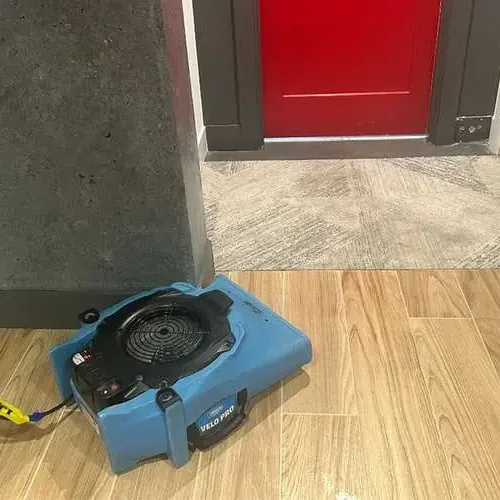
The water is shut off, a plumber repairs the pipe, and wet flooring is lifted or removed. The area below is dried until moisture readings return to normal.
The slab leak water damage page explains the steps for a leak below the floor, and structural drying covers how the framing and subfloor are dried.
Skipping the drying step is a common mistake. A repaired pipe above wet framing leaves moisture trapped, and the problem returns as stains, odors or loose flooring.
- Shut off water to stop the leak from spreading.
- Have the pipe repaired by a plumber.
- Lift wet flooring and pad, and dry the area below.
- Check readings before new flooring goes down.
What the 1950s water and sewer build out means
During the 1950s, water and sewer systems were completed in River Oaks, streets were paved and a library was built. The sewer system dates to that build out, so older sewer pipes are common in the city.
That does not say a given house has a problem, but it is a reason to pay attention to small changes. The River Oaks Water Department handles the city side of the water system.
What waiting costs
A hidden leak that runs for months can soak the subfloor and reach neighboring rooms. Damp materials can begin to grow mold after 24 to 48 hours.
A short repair now is much cheaper than replacing flooring across the house. Town details are on the River Oaks page, and the main site has a broader overview of leaks under floors.
Insurance may treat a sudden leak differently from one that ran for a long time, so noting when the first sign appeared is wise. Photos and plumber notes help support the timeline.
Questions
How can I tell if a pipe is leaking under my floor?
Look for a warm area on the floor, a moving water meter with everything off, damp baseboards or a musty smell. A moisture reading can confirm it.
Do older homes leak more often?
Not always, but older pipes have had more years of use. Much of the River Oaks housing dates to the mid 1900s, so careful checks are sensible.
Do I have to tear out the whole floor?
Usually not. Moisture readings and a thermal camera narrow the search, so only the wet section is opened.
Who repairs the pipe?
A plumber repairs the pipe. The restoration crew removes wet materials and dries the area.
How long does drying take?
It depends on the materials and how long the leak ran. Readings decide when the area is ready to close up.
Will the water bill show a hidden leak?
Often. A bill that rises with no change in habits is one of the earliest signs, so compare it with the same month a year ago.