Structural Drying and Dehumidification in River Oaks, TX
After the water is removed, air movers and dehumidifiers dry the wall cavities and floors to stop further damage, with readings taken at every visit to show real progress toward dry.
(888) 527-9134Book the drying equipment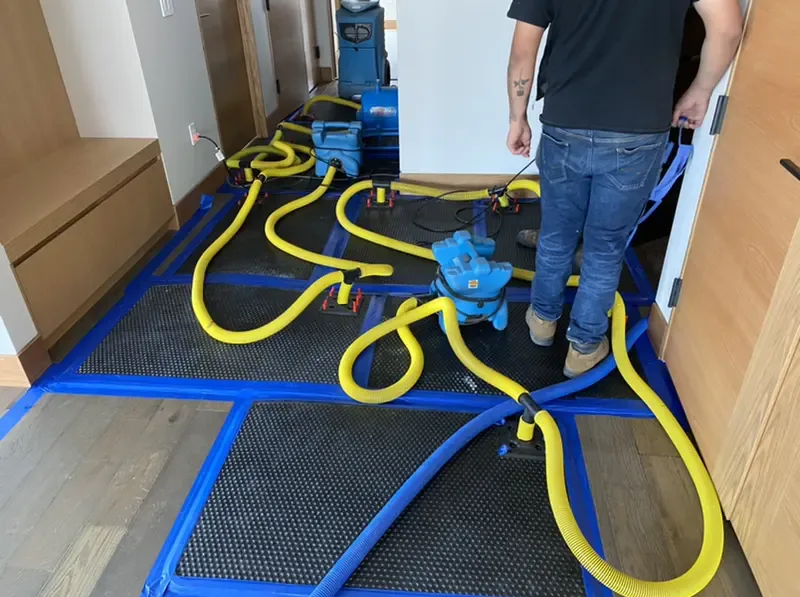
What a proper job looks like for structural drying and dehumidification
Dispatch at any hour
Active water is treated as urgent around the clock, nights, weekends and holidays included, because every hour adds wet material.
IICRC S500 drying
Truck-mounted extraction, air movers and LGR dehumidifiers sized to the class of loss, not a shop vac and a box fan.
A claim file from day one
Moisture maps, daily psychrometric logs and timestamped photos taken before any drywall or flooring comes out.
North Texas water know-how
Slab leaks, freeze splits in attic and exterior-wall lines, creek runoff and sewer backups lead the list in this part of the county.
First steps for structural drying and dehumidification in River Oaks
- Set a baseline. Dry reference readings are taken from unaffected materials.
- Place equipment. Air movers and dehumidifiers are set for each wet area.
- Check each day. Readings drive adjustments to the equipment.
- Remove at dry. Equipment leaves once every area matches the reference.
What does structural drying and dehumidification cost in River Oaks, TX?
Drying cost depends on how many rooms and how much material are wet, plus the days required. Dense materials such as hardwood and concrete dry slowly, which raises the extra equipment time.
One or two rooms
- Equipment placed
- Daily readings
- Final dry check
Several rooms or walls
- Wall cavities treated
- More equipment
- Longer drying time
Slab, hardwood or whole floor
- Drying mats used
- Extended run
- Full reading log
Ranges are typical, not a quote: the water category, square footage, material class and how fast drying started move the number most.
Run the numbers in the cost calculatorHow structural drying and dehumidification is handled, start to finish
Measure
Meters set the starting readings.
Place
Equipment goes where moisture sits.
Track
Daily readings drive changes.
Finish
Equipment leaves when dry.
Taking the water off the floor does not dry a house. Moisture remains in framing, subfloors and the back of drywall, and structural drying is the stage that removes it before it causes lasting damage. Skipping it is the most common reason a repaired room smells musty a month later.
How the equipment works together
Air movers push dry air across wet surfaces, which lifts moisture into the room. Dehumidifiers then pull that moisture out of the air and drain it away, so the process keeps moving instead of stalling at high humidity. Hoses run to mats on hardwood and to small ports drilled into wall cavities.
- Air movers aimed along floors and walls
- Dehumidifiers sized to the room volume
- Mats and hoses for hardwood and cavities
Reading the structure
Moisture meters and a thermal camera are used at the first visit and again each day. Placement changes as areas dry, and the equipment goes only when every reading reaches the dry reference set at the start. Daily notes explain every change to the setup.
Floors extracted but the walls still feel damp? Call about drying equipment.
Arrange the drying visitWhy not just open the windows
Natural air rarely dries framing or hardwood fast enough, and humid weather makes it worse. Controlled drying finishes the job in days, avoids repeat damage and leaves a written record of the readings behind. A drier space also protects paint, trim and anything stored nearby.
Structural drying and dehumidification across River Oaks and nearby towns
Structural drying follows water losses across River Oaks, in bedrooms, kitchens and utility rooms alike, and the equipment is set only where meters show moisture in the structure. The crew never sets equipment where readings show a dry surface.
The same service nearby: structural drying and dehumidification in Azle, Lake Worth, White Settlement.
Water damage restoration in River Oaks › · every town covered ›
Related water damage services in River Oaks
Structural Drying and Dehumidification questions, answered
Still dealing with it?
Floors extracted but the walls still feel damp? Call about drying equipment.
(888) 527-9134 Arrange the drying visitHow long does structural drying take?
Most jobs need several days, and dense materials such as hardwood can take longer. The readings, not the calendar, decide when the equipment leaves.
Is the equipment loud?
Air movers and dehumidifiers hum constantly, much like large fans. Many owners find it noticeable, but it runs only until the readings clear.
Will the electric bill go up?
Yes, since the equipment runs around the clock. Insurers often account for that in a claim when the drying is documented.
Can wet drywall be dried in place?
Sometimes. If the board is clean water, intact and not swollen, drying cavities can save it, otherwise it is cut out and replaced.
Does drying prevent mold?
Fast drying removes the moisture mold needs, and finishing within 24 to 48 hours of the loss gives the best protection.
Who decides when drying is done?
Moisture readings compared with dry reference points decide it, and the final numbers are written into the job record.
Damp walls and floors need more than a fan
Moisture left in framing and subfloors causes warping and mold if it stays. The crew sets air movers and dehumidifiers and logs readings until everything is dry.
(888) 527-9134Set up the dry-out